

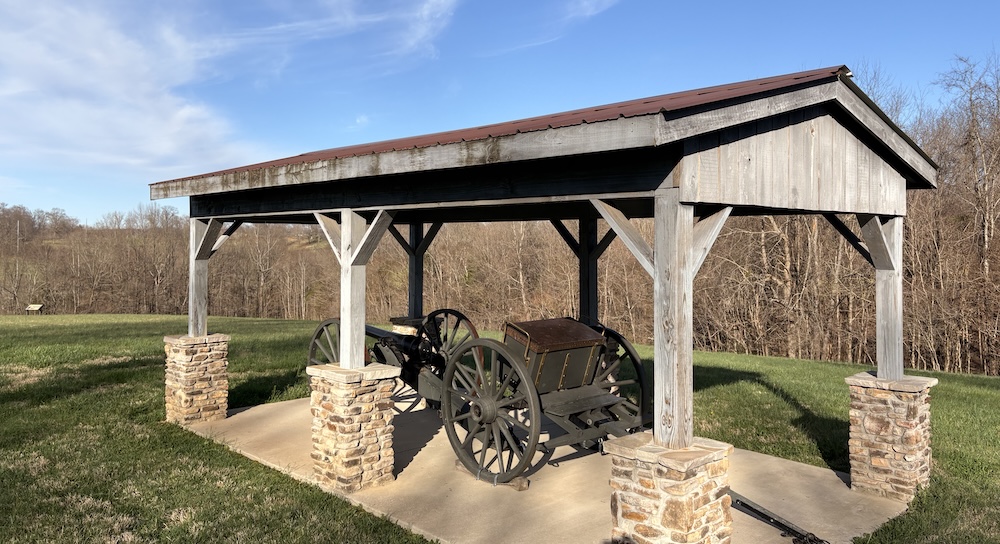
From Cannons to Cures: An Artilleryman’s Story
Look around you. Imagine a landscape with far fewer trees, covered by blue-clad American soldiers, wagons, horses, mules and cannon-and caisson artillery units. It is November of 1862. As the second year of America’s Civil War draws to a close, a 5,000-man US Army division commanded by Union General Ebenezer Dumont is encamped in this portion of what, a century and a half later, would become Dugas Community Park. In the Kentucky/Tennessee theater of the war, there is a lull between the massive battles of Perryville, Kentucky that October, and what in just a few weeks hence, over the New Year’s timeframe of 1862-1863, would become the Battle of Stones River at Murfreesboro, Tennessee. Though they aren’t yet in battle, the men are still suffering. They are hungry and cold; many are ill, and as many as 60 would die here from various ailments. They march and drill in a cold rain, preparing to battle General Braxton Bragg’s Confederates at Stones River, where many more will perish.
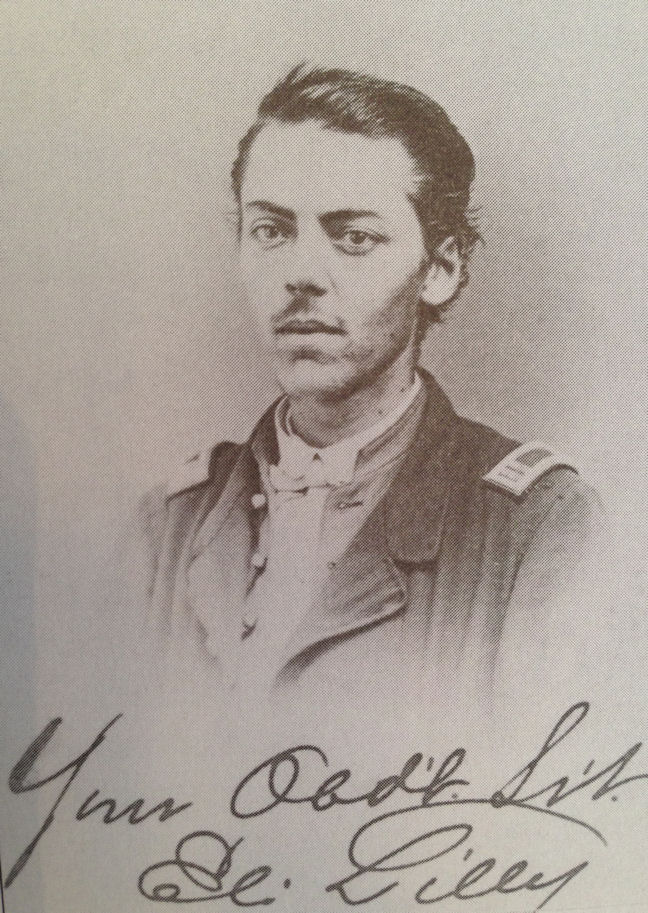
In the dreary, foul weather, one young captain is directing his men to make sure the cannons of the 18th Indiana Independent Light Artillery stay battle-ready and in firing order. Intelligent and meticulous, then 24-year-old Baltimore native Eli Lilly had formed the 18th in 1861, having originally mustered into the 21st Indiana Infantry Regiment. Just eight years earlier, at age 16, he had shown a keen interest in chemistry, and was soon an apprentice in Lafayette, Indiana’s Good Samaritan Drug Store, becoming a pharmacist. However, for 1862, he was a soldier. Hailing from an Abolitionist family, Lilly answered his country’s call to arms. After his time at Dumont Hill, Lily would lead his gunners in battle at Hoover’s Gap and Chattanooga in Tennessee, then in the major battle at Chickamauga in northern Georgia, where the 18th's cannons helped hold back the Rebels long enough for Union forces to escape what was otherwise an overwhelming Confederate victory. A year later, Lilly was captured at the battle of Sulphur Creek Trestle in Alabama by famed Rebel Cavalryman Nathan Bedford Forrest's forces. Lilly remained a prisoner of war until January of 1865, when he was freed in a prisoner exchange only few months before the war’s end. He mustered out in August of 1865 as a Lieutenant Colonel in the 9th Indiana Cavalry.
After a failed attempt at southern cotton farming, Lilly returned to work as a pharmacist, a field in which his skill grew steadily. In 1876, Lilly opened his first pharmaceutical laboratory in Indianapolis and was soon marketing medicines wholesale to area pharmacies. This grew steadily into the giant pharmaceutical manufacturer we know today, and that still bears his name. Lilly, also known as a generous philanthropist, never forgot his military service and comrades—he later chaired America's largest organization for Union veterans, the Grand Army of the Republic. Lilly passed away on June 6, 1898, leaving a historical, philanthropical, and industrial legacy that few can rival.
Also among the Union soldiers encamped in Scottsville that cold 1862 November was another man who would become a prominent figure in American history. Commanding the 70th Indiana Infantry was Colonel Benjamin Harrison, who would later become the 23rd President of the United States. He, Lilly, and the men of Dumont’s division would serve in General Sherman’s famed March to the Sea, seeing action in battles including Stones River, Chattanooga, Chickamauga, Resaca, and Atlanta. Though many would not live to see the outcome, Harrison, Lilly and thier brothers in arms did their part to help America survive its most defining trial. (Courtesy of Matt Pedigo)
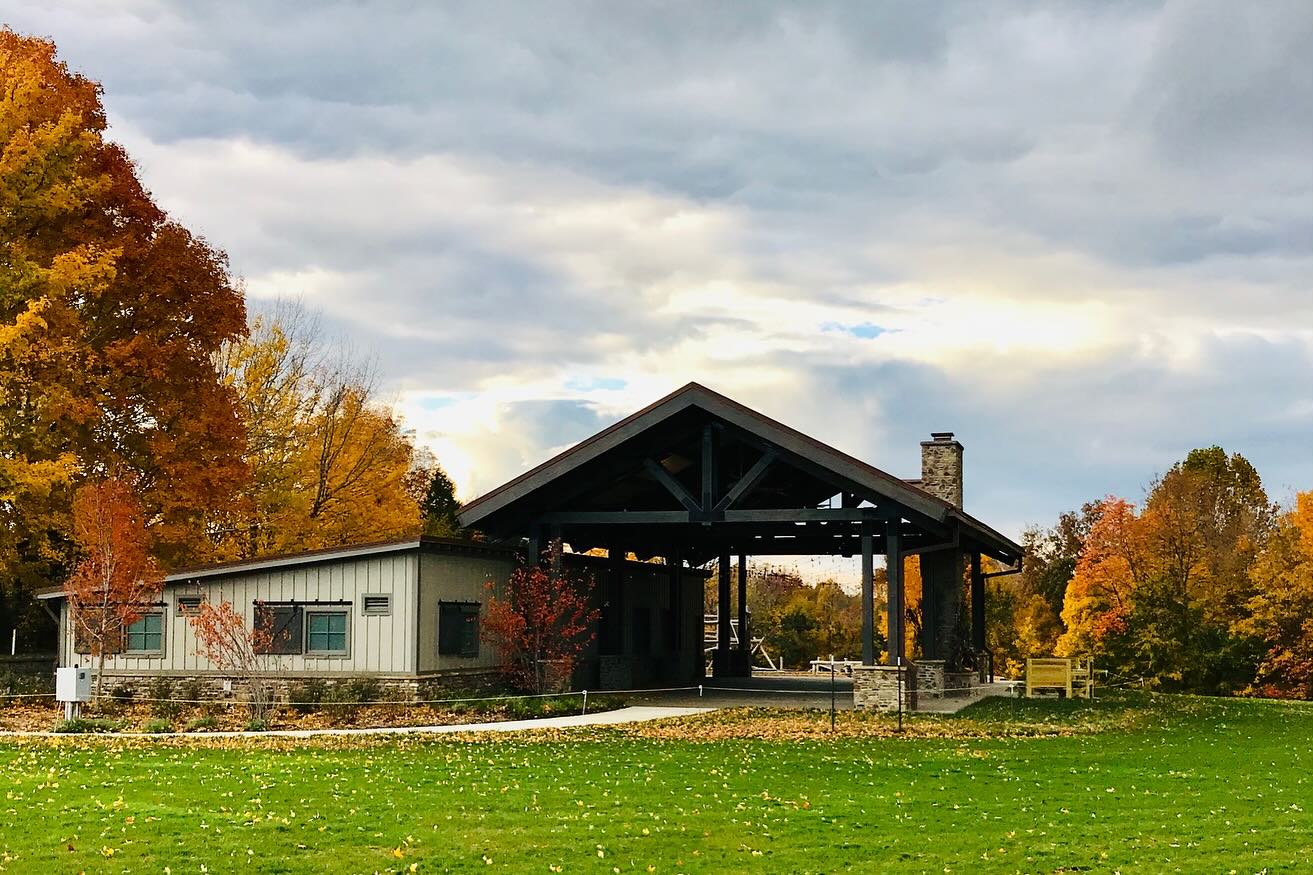
From events, news and everything in-between, keep up with Dugas Park.

.jpg)